Successfully treating addiction does not stop at addressing a person’s immediate physical dependency on a substance. Oftentimes, addiction is a symptom or byproduct of deeper underlying psychological issues. If left untreated, these penetrative issues leave a person susceptible to relapse or developing other maladaptive behaviors as a way to cope with their condition. For this reason, taking a holistic approach to addiction through dual diagnosis treatment is essential to long-term recovery.
What does dual diagnosis mean?
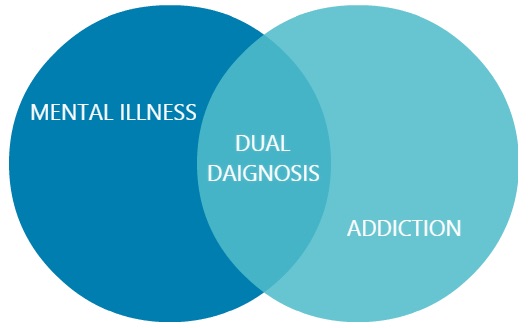
Conditions such as anxiety disorders, depression, post-traumatic stress disorder, and personality disorders often co-occur with alcohol or substance use disorders. This is called a dual diagnosis and it is known to affect about half of those living in addiction today.
Underlying mental health conditions may be known or may be undiagnosed in an individual before they receive alcohol or drug abuse treatment. A person with anxiety or depression, for example, may use drugs or alcohol to cope with the effects of their illness. They may not recognize they are clinically depressed or bipolar, but they notice how “self-medicating” with certain substances changes their mood and so they repeat that behavior in an effort to maintain that feeling. Similarly, a person who has experienced past traumas may turn to legal or illegal substances to numb the emotional pain associated with those experiences and become dependent on those substances to feel normal.
Mental health and addiction have a push and pull effect
Mental health conditions and SUD influence one another. While mental and emotional issues may result in a person developing a substance use disorder, the use of drugs or alcohol may also lead to the development or worsening of those issues. This can create a cycle of substance use and mental health decline as a person is unable to recognize their problem or relies on self-medication rather than adequate treatment.
This push and pull effect makes the treatment of dual diagnosis disorders especially challenging. Fortunately, resources such as Isaiah House Treatment Center are available in Kentucky that specialize in addressing dual diagnosis disorders.
Why holistic treatment is key
To effectively treat dual diagnosis disorders, access to treatment programs that provide both resources to address addiction as well as its underlying causes and effects is crucial to successful recovery. Because addiction is often a symptom of an underlying cause, treating one separately from the other may not fully benefit the person affected.
A person may succeed in abstaining from drugs or alcohol in the short term through an addiction treatment program, but if the mental and emotional challenges that fed that addiction are left neglected, addictive behaviors and harmful coping mechanisms are likely to resurface.
When looking for a dual diagnosis treatment program, clients will benefit from tailored treatment plans to meet their specific needs. Addiction and mental health disorders impact people in unique ways and therefore an individualized treatment plan is more beneficial than a one-size-fits-all program. Such plans should incorporate resources to help with initial abstinence from substances, therapies and counseling focused on mental and emotional health and rehabilitation resources that equip a client with the necessary skills to live independently.
Where can I find dual diagnosis treatment
Isaiah House Treatment Center offers a comprehensive, dual diagnosis treatment program in Kentucky that provides the needed support for clients affected by both addiction and co-occurring mental health disorders.
At Isaiah House, clients have access to individualized treatment plans, group, individual and family counseling by licensed clinicians, classes with certified peer support specialists, educational and workforce development opportunities, various skill-building resources, and support in addressing legal, financial and spiritual needs.
Isaiah House comprises five residential treatment campuses and several transitional living homes and offers programs for both women and men. Aftercare services and outpatient services, including Real Health Primary Care and Real Hope Behavioral Health, also ensure clients receive the assistance they need as they progress in their recovery.
Through Isaiah House’s Real Hope Behavioral Health center, experienced professional therapists not only provide support for clients but also their families and patients of all ages in treating mental health issues such as anxiety, depression, grief, substance use disorder, trauma, PTSD, eating disorders and more.
Both addiction and mental health must be destigmatized
According to a report from the Substance Abuse and Mental Health Services Administration, of the 61.2 million adults diagnosed with a mental illness over the course of a year, 31.4% were also diagnosed with a co-occurring substance use disorder. Half of those living with a dual diagnosis did not receive treatment of any kind and less than 8% received treatment that addressed both their mental health and their SUD.
Since addiction and mental illness are often unfairly stigmatized in society, a person impacted by both may struggle more with recognizing their problem, reaching out for help or connecting with the right resources once they do. Discussing, normalizing and supporting access to addiction treatment and mental health care – and especially resources that offer both – is important to help more people find the support they need. Additionally, substance use disorders as well as many mental illnesses are preventable with early interventions, education and advocacy.
At the end of the day, an addiction treatment program can help a person stop using opiates, alcohol or methamphetamine, but unless that person also receives help adequately addressing their mental and emotional well-being, their ability to remain sober is greatly reduced. Dual diagnosis treatment like that offered at Isaiah House is key to helping these individuals be successful in recovery long term and live healthy and productive lives.
If dual diagnosis treatment is right for you or your loved one, contact Isaiah House Treatment Center today to inquire about our programs and treatment options. There is Real HOPE for Addiction.